This post has been removed.
Many artists struggle to imbue their physical creations with the weight of a spoken truth; they find that their textile work lacks the narrative resonance required to truly captivate a discerning audience. This disconnect often stems from viewing language and fiber as separate entities rather than two halves of the same expressive whole. At Maison de Chanté, we understand that every stitch is a syllable and every texture is a stanza waiting to be felt. By exploring the shared etymology of text and textiles, you can learn to weave metaphor into your medium; this transformation elevates craft into a profound sensory experience. In this exploration, we will examine the ancient history of texere, the technical process of turning visual poetics into physical relief, and the specific narrative qualities that modern collectors seek in sophisticated fiber art.
The Intersection of Stitched Metaphor and Poetic Fiber Art
Maison de Chanté operates on the premise that fiber is not merely a substrate for decoration, but a sophisticated medium for narrative. As a nontraditional art house, we deliberately depart from the conventions of traditional tapestry, which frequently prioritizes static, two-dimensional imagery. Our approach centers on the concept of poetic fiber art words and texture, where every stitch functions as a rhythmic extension of a specific thought or emotion. This method invites the viewer to experience beauty through a sensory recognition of depth and narrative weight.
In our current era, language often suffers from the ephemerality of digital screens and fleeting scrolls. By embedding poetry into fiber, we grant these words a physical permanence and a three-dimensional life. A stanza stitched into raw linen or layered organza possesses a gravity that pixels cannot achieve. The needle becomes a tool for making the intellectual visceral, turning a metaphor into a tangible object that interacts with light and shadow. This transition reshapes the form of poetry, moving it from the silent page into a tactile space where the story is literally held by the cloth.
TL;DR: This art form merges the intellectual depth of poetry with the visceral, tactile nature of textile work, ensuring that narrative is not just read, but physically experienced through the weight and permanence of fiber.
Explore our collection of poetic fiber art to witness how these blends bend expectation. To understand more about our nontraditional art house and our commitment to tactile storytelling, we invite you to engage with the narratives embedded in our fibers.
Texere: Exploring the Shared History of Text and Textiles
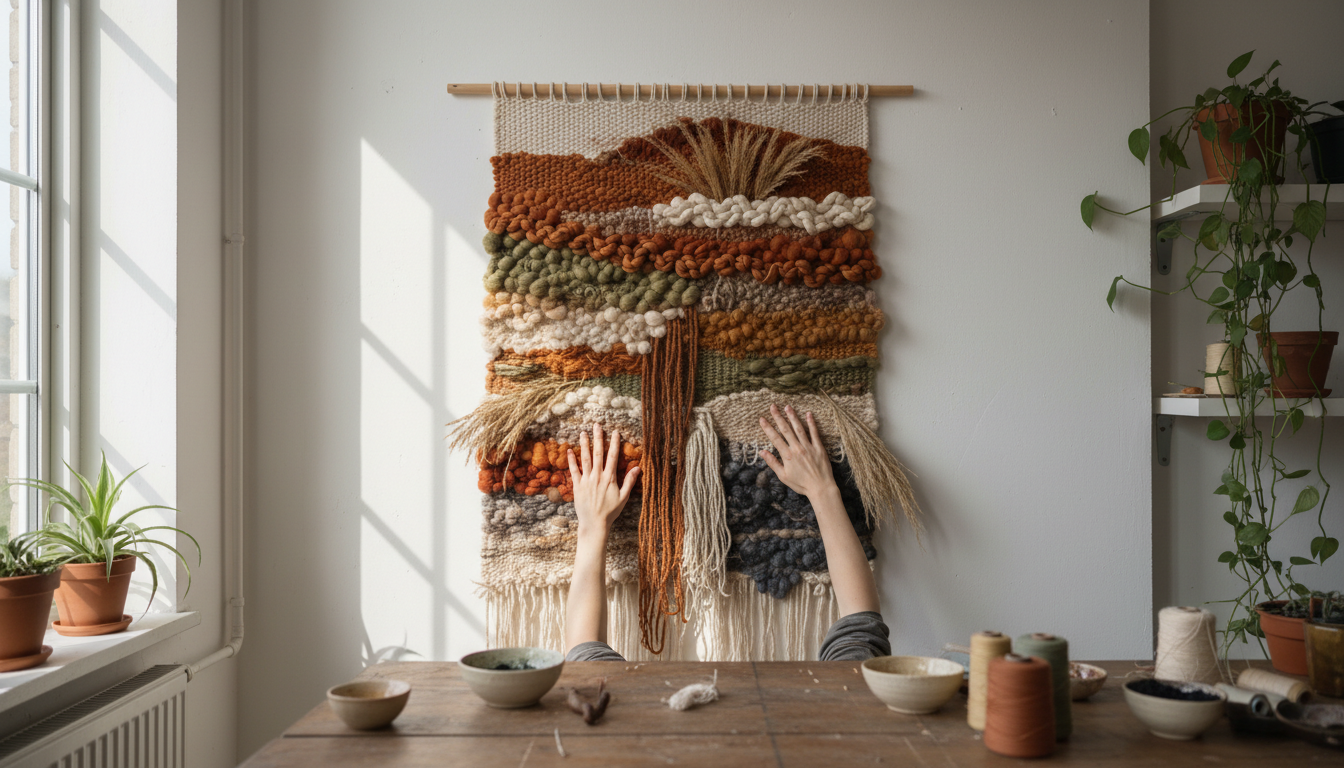
The relationship between the written word and the woven thread is not merely metaphorical; it is etymological. The English words text and textile both descend from the Latin verb texere, which means to weave. In its original sense, a text is a tissue, a thing woven together with precision and intent. At Maison de Chanté, we view this linguistic connection as a mandate for our creative process. When we integrate poetic fiber art words and texture, we are not simply adding decoration to a surface; we are restoring the word to its structural origins.
Weaving represents one of humanity’s oldest technologies, with archaeological evidence of fiber manipulation dating back at least 27,000 years. Long before the printing press or the digital screen, textiles served as a primary technology of memory. Humans have always used cloth to mark the most significant transitions of life. We are swaddled in fabric at birth, we seek its comfort in sleep, and we are eventually shrouded by it in death. By bringing poetry back to the loom and the needle, we tap into a primal mode of communication that predates modern literacy.
This ancient connection informs how we approach modern storytelling. While a digital screen offers speed, the loom offers a specific rhythm where every line of poetry is anchored by a physical intersection of threads. This process transforms a narrative from a fleeting thought into a permanent artifact. To learn more about our nontraditional art house and how we honor these ancient roots, we invite you to contact Chanté da Chantress to discuss the legacy of your own stories.
Visual Poetics: How Words Transform into Texture
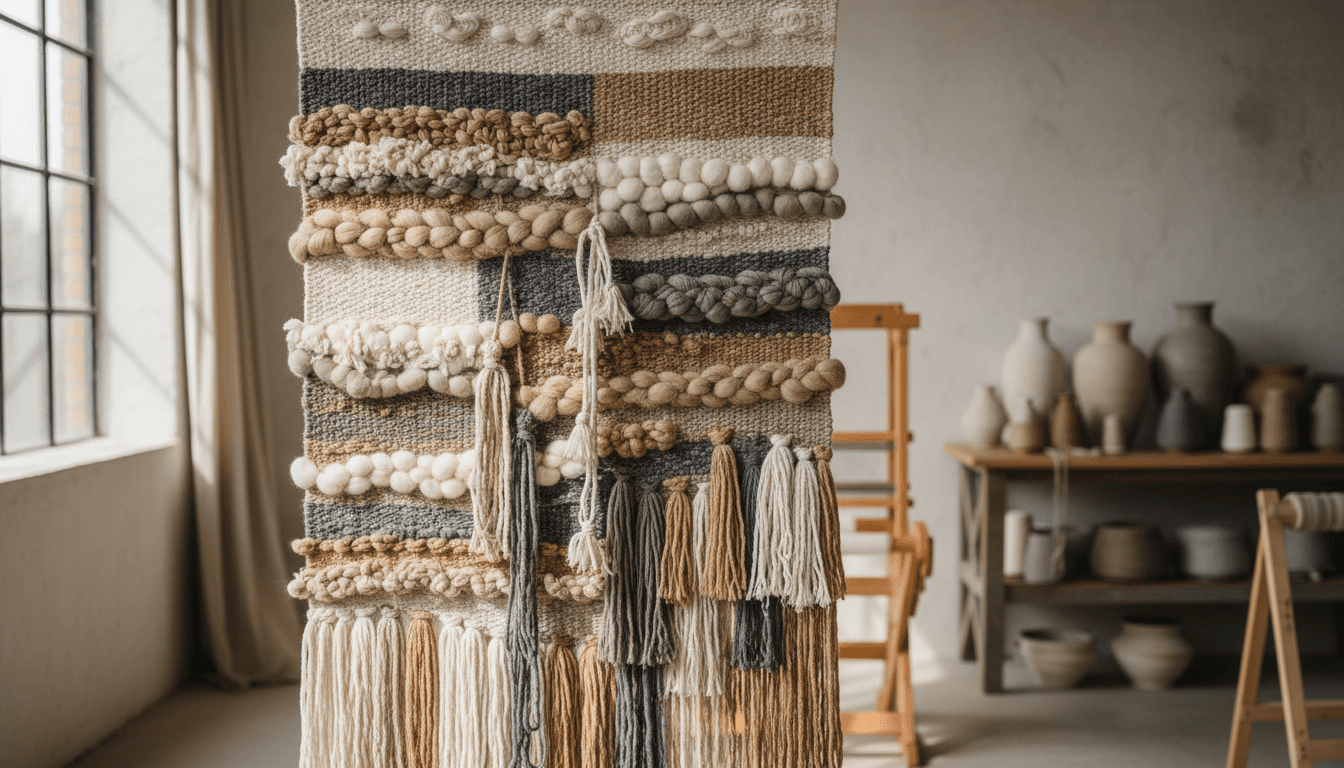
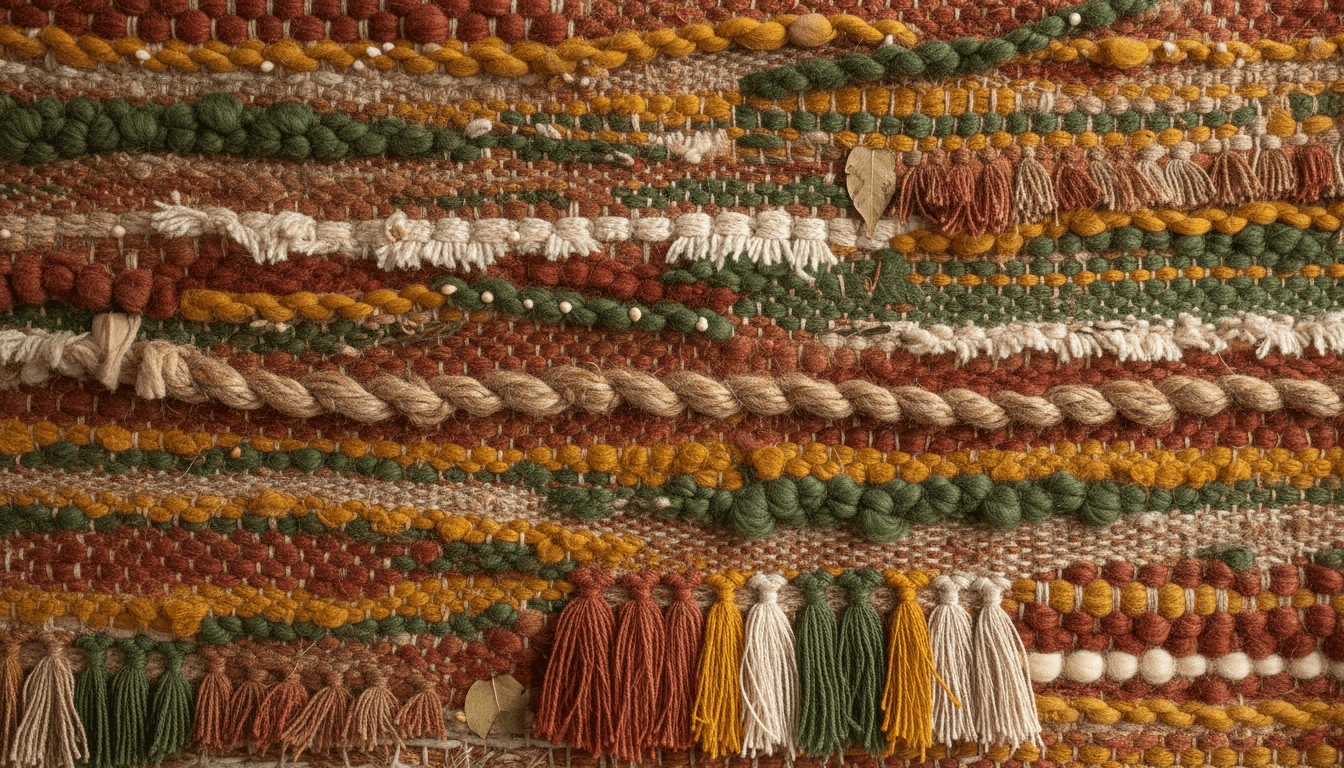
The transition from the intellectual concept of language to the tangible reality of cloth requires a precise mastery of technique. When we translate poetic fiber art words and texture, we are essentially sculpting language. Unlike the flat surface of a printed page, fiber allows a narrative to occupy three-dimensional space through varying densities and altitudes of thread. This transformation is achieved by manipulating the physical properties of both the base textile and the stitching itself.
We employ specific methods to achieve this physical narrative:
Free-motion embroidery: This technique functions as the artist’s handwriting, where the needle moves fluidly across the fabric to capture the urgent, cursive flow of a poetic line. It allows for a spontaneity that mimics the act of drafting a poem on paper.
Layering of organza: By stacking translucent layers, we create ghostly text that appears to float or recede. This method visualizes the way certain memories linger just beneath the surface of consciousness, partially obscured but still present.
Heavy quilting: This process builds topography, forcing the fabric to rise and fall. The resulting shadows give words a physical weight, allowing the story to change and evolve based on the angle of the light in the room.
The structural integrity of a piece relies on the shared rhythm between the writer and the maker. Just as a poem follows a specific meter or cadence, each stitch follows a rhythmic pulse. The repetitive pierce of the needle mirrors the heartbeat of the narrative, anchoring each syllable into the substrate. This is what makes fiber art unique; it is the only art form that allows a narrative to be physically felt through depth and shadow.
To explore our collection of poetic fiber art is to see how these techniques transform a silent thought into a structural event. We invite you to learn more about our nontraditional art house and how we use these physical rhythms to reshape the form of contemporary storytelling. By manipulating the tension and loft of the thread, we ensure that the beauty of the word is not just seen, but held.
The Weight of the Word: Why Tactile Storytelling Heals
The act of embedding language into cloth serves as a somatic bridge between the intellect and the physical self. While digital writing is often characterized by speed and erasure, the deliberate pace of stitching requires a meditative thinking life that anchors the artist in the present. This ritual performance of making meaning through a needle allows for a processing of complex emotions that language alone sometimes fails to capture. For many practitioners, the transition from the silent page to the tactile surface is a necessity born of profound life shifts; it is a way to get out of the head and into the hands.
Artists like Joy Denise Scott have utilized the poetry of stitch to navigate themes of grief, loss, and alienation, finding that the repetitive motion of the needle provides a stabilizing cadence for difficult narratives. Similarly, when the weight of loss makes traditional writing feel insufficient, as in the experience of Sheryl St. Germain, fiber art offers a visceral path to healing. By manipulating poetic fiber art words and texture, we transform the abstract burden of trauma into a tangible object that can be touched, turned, and eventually, understood. The needle does not just record the story; it facilitates a physical release of the narrative’s weight.
At Maison de Chanté, we believe that this form of grounding is essential for both the artist and the viewer. Our mission is to invite you to experience beauty through touch, depth, and narrative, offering a reprieve from the ephemerality of the modern world. When a story is given physical form, it gains a unique capacity to hold the viewer in a shared space of reflection. To learn more about our nontraditional art house and our philosophy on tactile healing, we invite you to contact Chanté da Chantress to explore how these stitched narratives can provide a sense of permanence and peace.
What Collectors Seek in Narrative Textile Art
Modern art collectors are shifting their focus from purely aesthetic value to deep narrative significance. In an era defined by the ephemerality of the digital age, there is a growing appetite for works that prioritize meaning over medium. When a collector acquires a piece incorporating poetic fiber art words and texture, they are not merely purchasing a wall hanging; they are securing a tangible anchor for their domestic environment. These works provide a visceral sense of belonging and calm that digital prints or mass produced decor cannot replicate.
Collectors often seek pieces that serve as vessels for identity and legacy. A stitched poem hanging in a living space acts as a quiet, powerful conversation starter, inviting guests to look closer at the intersections of language and craft. They prioritize art that challenges the viewer to contemplate the human condition, often selecting works that mirror their own personal histories or values. By choosing narrative textiles, collectors invest in a legacy of thought that has been physically bound into thread.
To explore our collection of poetic fiber art is to find work that transcends the decorative, offering a permanent record of the stories that define us. We invite you to learn more about our nontraditional art house and how we craft pieces that function as both fine art and heirloom. If you are looking to commission a piece that reflects your own story, you can contact Chanté da Chantress to begin the collaborative process.
Bending Expectation at Maison de Chanté in South Carolina
Rooted in the Lowcountry landscape of South Carolina, Maison de Chanté draws inspiration from the region’s inherent patience. Here, storytelling is not a hurried transaction; it is a slow, multi-layered tradition that mirrors the rhythmic labor of the loom. Our work reflects the atmospheric depth of the Southern coast, where the heavy humidity and the moss draped over oaks find a parallel in the deliberate layering of poetic fiber art words and texture. This environment demands a pause, an intentional slowing down that allows the viewer to move beyond a cursory glance and engage with the structural reality of the art.
As a nontraditional art house, we reject the notion that fiber art must remain within the confines of domestic utility or flat decoration. Instead, we treat the intersection of thread and language as a site of architectural exploration. Each blend of raw silk, linen, or hand-dyed textile is designed to reshape the form of the narrative it carries. By manipulating the tension between the soft substrate and the sharp precision of the needle, we invite viewers to look closer at the topography of the piece. It is in these minute undulations of thread that the true story is embedded, waiting to be felt as much as read.
To learn more about our nontraditional art house is to understand that we are not merely creating objects; we are preserving the weight of the human voice through craft. We encourage our patrons to explore our collection of poetic fiber art to see how regional influences and narrative depth converge. If you feel a resonance with this tactile approach to language, we invite you to contact Chanté da Chantress to discuss how your own history might be woven into a physical form that honors both the story and the stitch.
Combining poetry with fiber art allows us to feel the weight of words and the texture of our stories. This creative blend transforms fleeting thoughts into tangible keepsakes that hold deep personal meaning; it is a powerful way to preserve your voice. If you would like expert assistance in navigating these artistic intersections, I invite you to learn more about my practice and how we can work together to craft something truly unique.